
Winter is here, and while the temperature drops and the snow falls, your pet’s need for activity certainly doesn’t! Just like human athletes training for the winter games, our furry friends need to stay active, engaged, and entertained throughout the colder months. Whether your paths are icy or you’re snuggled up indoors, we’ve got the ultimate winter training guide to keep your four-legged athletes in peak condition all season long.
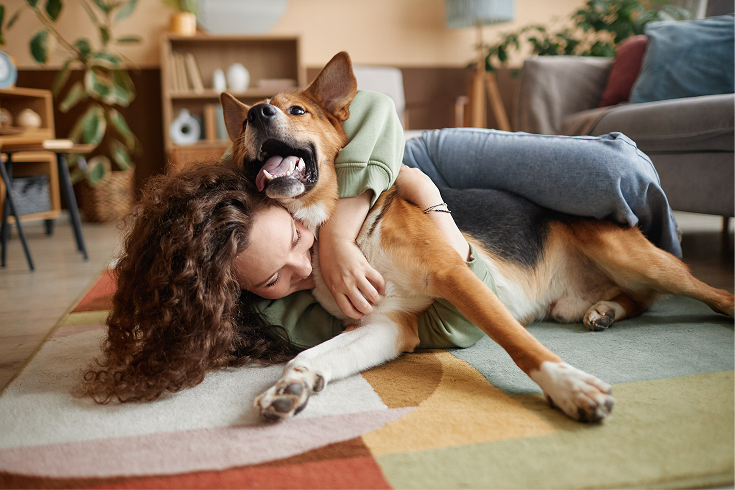
Canine Winter Athletes: Games for Dogs
Outdoor Winter Adventures
When the snow falls and the frost arrives, many dogs absolutely come alive feeling the frost under their paws! Here are some winter sports that’ll have your pup’s tail wagging:
Snow Fetch and Retrieval
Transform the classic game of fetch into a winter sport spectacular. Hide favorite toys (ideally with a treat) in the snow and watch your dog use their natural hunting instincts to track them down. The snow adds an extra sensory challenge, and the exercise keeps them warm and active. Just remember to use brightly colored toys that won’t disappear into white drifts!
Winter Hiking and Trail Walking
Bundle up and hit the trails with your adventure-loving dog. Winter walks offer entirely new sights, sounds, and smells for your dog to explore. The varied terrain of snowy paths provides excellent muscle-building exercise as your dog navigates through deeper snow. Always check your dog’s paws regularly during winter walks, as ice and salt can cause irritation.
Sledding Buddies
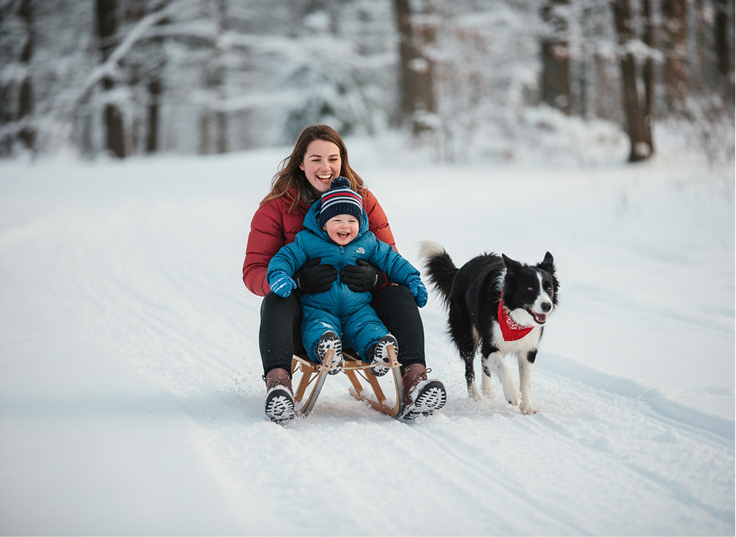
If you have a larger, cold-weather breed, they might enjoy running alongside you while you sled or even participating in pulling activities (with proper equipment designed for dogs). Some breeds, like Huskies and Malamutes, were literally bred for this kind of activity and absolutely thrive in snowy conditions. Make sure it is a gentle slope to stay in control and never sled next to your pet if you could hurt or injure them.
Doggy Snow Agility
Create a winter agility course in your backyard! Use snow to build jumps, tunnels, and obstacles. It’s like the biathlon for dogs – part navigation, part speed, and all fun.
Safety First for Outdoor Activities:
- Limit time outdoors in extreme cold
- Consider a doggy jacket for short-haired breeds
- Wipe paws after walks to remove ice, salt, and chemicals
- Stay visible with reflective gear during darker winter months
- Keep your dog on a leash near frozen water – ice can be dangerously unpredictable
Indoor Games for Cozy Days
When the weather is just too harsh for outdoor play, bring the winter games inside:
Indoor Fetch and Tug-of-War
Clear a safe space and engage in gentle indoor fetch with soft toys, or have a spirited game of tug-of-war. These activities burn energy without requiring outdoor conditions.
Treasure Hunt Training
Hide treats around your home and encourage your dog to find them using their nose. This mental workout can be just as tiring as physical exercise and helps keep their mind sharp during long winter months.
Stairway Sprints
If you have stairs, controlled stair climbing (with your vet’s approval) can provide excellent exercise. Throw a toy to the top of the stairs and let your dog retrieve it. Just a few rounds will have them pleasantly tired.
Interactive Puzzle Toys
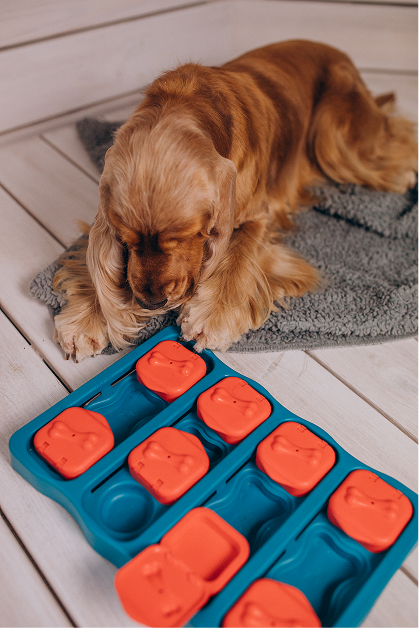
Invest in puzzle feeders and treat-dispensing toys. These challenge your dog mentally and keep them occupied, perfect for those days when cabin fever threatens to set in.
Indoor Agility
Set up a mini agility course using household items – weave between chair legs, jump over cushions (kept low!), or crawl under tables. It’s creative, fun, and keeps everyone entertained.
Feline Winter Games: Activities for Cats
Indoor Olympic Events for Cats
Cats may be more inclined to indoor activities year-round, but winter is the perfect time to amp up their entertainment and keep those hunting instincts sharp:
Interactive Play Sessions
Dedicate time each day for active play with your cat using wand toys, feather teasers, or laser pointers (always end laser play by letting them “catch” a physical toy). These sessions mimic hunting behavior and provide crucial exercise. Aim for at least two 10-15 minute play sessions daily.
Puzzle Feeders and Food Games
Make mealtime a winter event! Puzzle feeders challenge your cat mentally while slowing down fast eaters. You can also hide small portions of food around the house for them to hunt and discover.
Vertical Adventures
Cats love to climb! Create vertical territory with cat trees, wall-mounted shelves, or climbing posts. Encourage activity by placing treats or toys at different heights. The winter indoor games definitely includes a climbing event!
Chase and Pounce Games
Roll ping pong balls down hallways, toss crinkle balls, or drag ribbon toys for your cat to chase. The unpredictable movement triggers their prey drive and gets them moving.
Cardboard Box Obstacle Courses
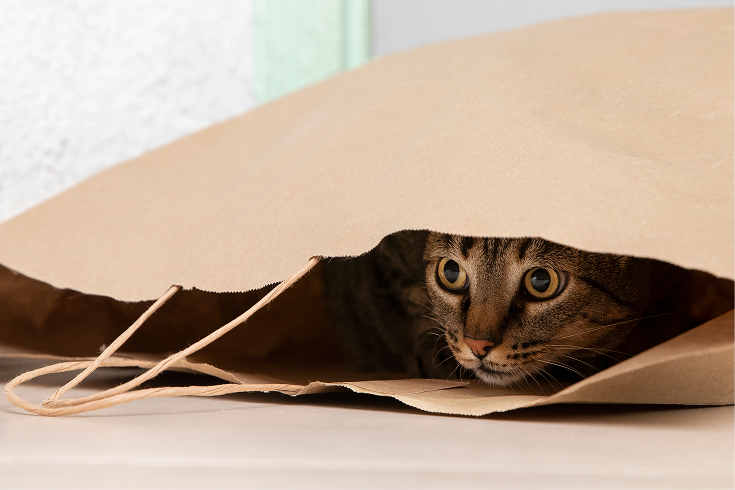
Create a winter wonderland adventure from cardboard boxes. Cut holes for tunnels, stack them for climbing, and hide toys inside. It’s free entertainment that cats absolutely love.
Window Watching Stations
Set up a comfortable perch by a window where your cat can watch outdoor winter activity – birds at feeders, falling snow, or passing wildlife. It’s mental stimulation that keeps them engaged.
Hide and Seek
Hide around corners or behind furniture and call your cat’s name. When they find you, reward them with treats or play. It combines mental challenge with physical activity.
Safe Outdoor Time for Adventurous Cats
Some cats do enjoy supervised outdoor time, even in winter:
Leash Training
If your cat is leash-trained, short winter walks (on warmer days) can provide enrichment. Always monitor temperature and limit time outdoors.
Enclosed Outdoor Spaces
A secure catio (cat patio) allows safe outdoor access where your cat can enjoy fresh air and watch winter wildlife while staying protected and warm.
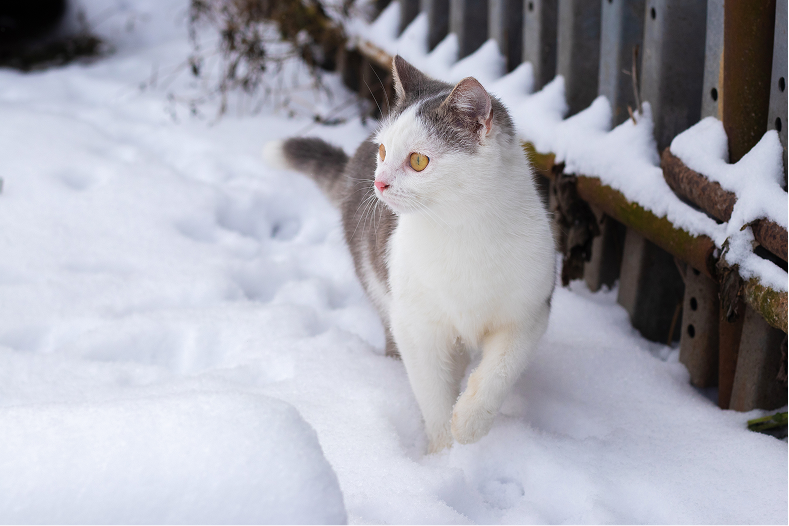
Safety Considerations for Cats:
- Never let cats roam unsupervised in winter – they can get lost, trapped, or exposed to dangerous cold
- Provide warm indoor spaces with multiple cozy spots
- Keep them active indoors to prevent winter weight gain
- Watch for signs of boredom like excessive meowing or destructive behavior
Training for the Long Game: Why winter activity matters
Keeping your pet active during winter isn’t just about burning energy (though that certainly helps!). Regular activity provides:
- Weight management – Pets can easily pack on pounds during less-active winter months
- Mental stimulation – Boredom can lead to destructive behaviors
- Joint health – Gentle, regular movement helps keep joints mobile
- Stronger bonding – Quality playtime strengthens your relationship with your pet
- Better behavior – A tired pet is typically a well-behaved pet
Stay connected during your winter adventures
Whether your pet is racing through snow drifts or perfecting their indoor agility routine, keeping them safe is always the top priority. Winter conditions can be unpredictable – from sudden weather changes to reduced visibility during darker evenings. A GPS tracker can provide peace of mind, allowing you to monitor your pet’s activity and location, ensuring your winter athlete stays safe during all their cold-weather training sessions.
Ready, Set, Go!
Winter doesn’t mean your pet needs to hibernate! With creativity and consistency, you can keep your furry athletes active, entertained, and healthy throughout the coldest months. Whether you’re building snow obstacle courses for your dog or creating cardboard kingdoms for your cat, the winter games are officially open.
So grab those toys, lace up those boots (the human ones – and maybe some paw protection for your dog!), and get ready to make this winter the most active season yet. Your pet is counting on you to be their coach, teammate, and biggest fan. Let the games begin!
Remember: Always consult your veterinarian before starting any new major exercise routine, especially if your pet has health conditions or isn’t used to regular activity.