
Love your Husky? You’re not alone—their stunning looks and energetic personalities make them beloved companions across Europe. But here’s something you might not know: Huskies are legendary escape artists, and they’re far from the only breed with wanderlust in their DNA. Some dogs are genetically programmed to roam, chase, and explore, no matter how much training you provide or how secure you think your garden is.
If you own one of these adventure-seeking breeds, understanding why they run and how to keep them safe isn’t just helpful—it’s essential. This guide explores the top 5 escape artist breeds, explains what drives their Houdini-like behaviour, and shows you practical solutions to keep your four-legged adventurer safely at home.
Understanding the escape artist mindset
Before we dive into specific breeds, it’s important to understand that dogs who frequently escape aren’t poorly trained or disobedient—they’re simply following instincts that have been bred into them for generations. High prey drive, independence, and working dog heritage all contribute to this behaviour.
A dog with strong prey drive will chase anything that moves, from squirrels to cyclists, often ignoring recall commands completely. Independent breeds were developed to think for themselves rather than constantly look to humans for direction. Working dogs, bred to cover vast distances herding livestock or pulling sleds, have an inherent need to move that no amount of garden exercise can fully satisfy.
Statistics paint a clear picture of this problem. According to research, Jack Russell Terrier owners lose their dogs approximately 1.2 times per month, while German Shepherd owners report their dogs escaping about 1.5 times monthly. A survey by Blue Cross found that Labrador Retrievers topped the list of breeds most likely to run away, followed by Cocker Spaniels and Jack Russells.
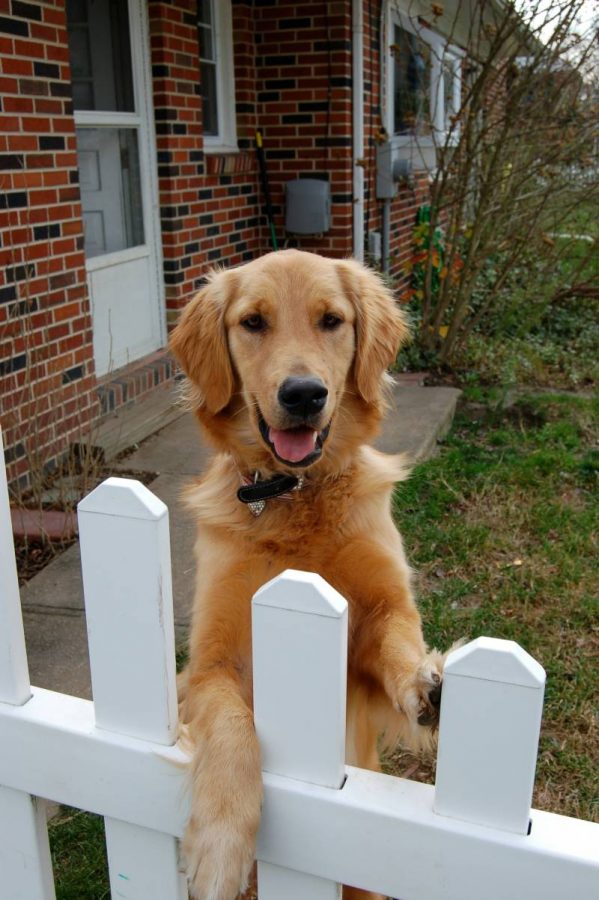
Traditional containment methods often fail with these breeds because they’re remarkably creative problem-solvers. They’ll dig under fences, climb over barriers, squeeze through impossibly small gaps, or simply wait patiently by the gate until someone forgets to latch it properly. Standard training techniques that work brilliantly for biddable breeds like Golden Retrievers often prove frustratingly ineffective against the determined mindset of a true escape artist.
The top 5 escape artist breeds
1. Siberian Husky: The Long-Distance Runner
If there’s one breed that defines “escape artist,” it’s the Siberian Husky. These stunning dogs were developed by the Chukchi people of Siberia over thousands of years to pull heavy sleds across vast frozen landscapes. They’re not just capable of running—they’re built for it. A well-conditioned Husky can cover over 100 miles in a single day, maintaining speeds of 10-20 mph for hours without tiring. Their top sprint speed reaches 28-30 mph, making them incredibly difficult to catch once they’ve made their escape.
What triggers a Husky’s wanderlust? Boredom sits at the top of the list. These intelligent, high-energy dogs need constant mental and physical stimulation. A bored Husky doesn’t just whine—they engineer elaborate escape plans. Their strong prey drive means any small animal darting past can trigger an instant chase response, and their pack mentality makes them curious about other dogs they hear or smell in the neighbourhood.
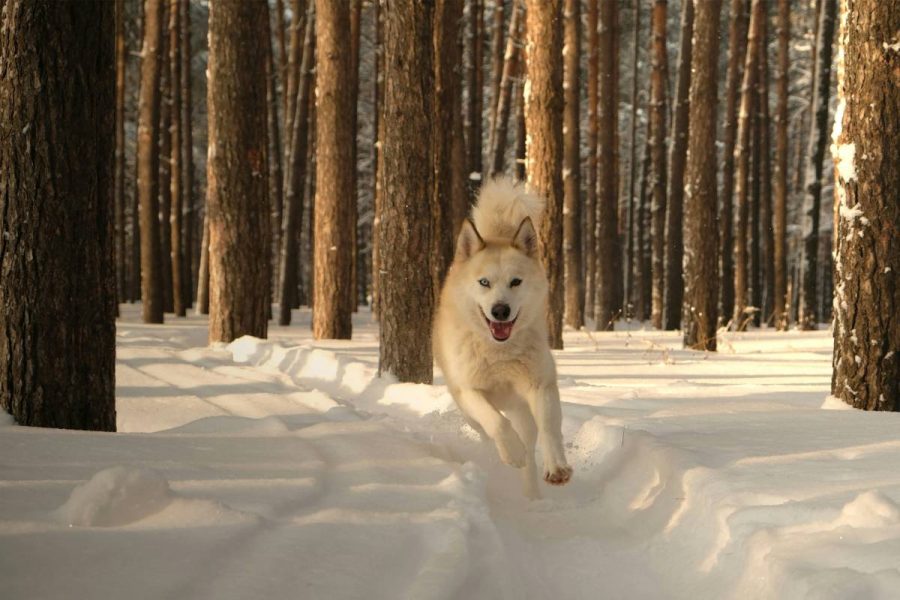
Martina from Vienna learned this the hard way when her Husky, Storm, cleared their two-metre fence in a matter of seconds after spotting a cat. “I watched it happen through the window and couldn’t believe my eyes,” she recalls. “He scaled that fence like it was nothing, and by the time I got outside, he was already three streets away. We found him twenty minutes later, two kilometres from home, playing with dogs in a park. He looked absolutely thrilled with himself.”
The specific risks with Huskies are significant. Their incredible speed and endurance mean they can travel enormous distances quickly. Within an hour of escaping, a Husky can be ten or more kilometres from home, making visual searches nearly impossible. Their friendly nature means they’re unlikely to return home on their own—they’re too busy making new friends.
Management strategies include providing intense daily exercise (we’re talking hours, not minutes), engaging them in activities like bikejoring or canicross, offering puzzle toys and scent games, and ensuring your fencing is at least two metres high with barriers buried underground to prevent digging. But even with all these precautions, a determined Husky will find a way.
This is precisely why GPS tracking is absolutely essential for Husky owners. Their speed and distance capability mean that by the time you realise they’re missing, they could already be kilometres away. Real-time tracking lets you follow their movements as they happen, dramatically reducing recovery time from days to minutes.
2. Beagle: The nose that knows no boundaries
Beagles were bred for one purpose: to follow scent trails relentlessly. When a Beagle catches an interesting smell—which could be anything from a rabbit trail to someone cooking sausages three streets over—their entire world narrows to that scent. Everything else, including your frantic calls, simply ceases to exist.
These compact hounds are masters of escape through sheer determination and clever use of their small size. They’ll tunnel under fences with remarkable efficiency, dash through gates the moment they’re opened, and squeeze through gaps you wouldn’t think possible for a dog their size. Their escape triggers are all nose-led: an interesting scent trail, the smell of food, or following wildlife.
Beagles are incredibly popular across Europe, which unfortunately means they also frequently end up in rescue centres. The pattern is predictable: families fall in love with their adorable faces and cheerful personalities, then struggle with their tendency to follow their nose straight out of the garden.
The specific risks with Beagles centre on their single-minded focus. Once they’re on a scent, recall commands become meaningless. They won’t hear you calling, and even if they did, the scent is far more compelling than your voice. This makes them vulnerable to traffic accidents and getting hopelessly lost in unfamiliar areas.
Management strategies include investing in scent work training to give them appropriate outlets for their natural behaviour, ensuring your garden has buried barriers along fence lines, never leaving them unsupervised in unfenced areas, and accepting that off-lead walks may not be safe in certain environments. Teaching a reliable recall takes months of patient training, and even then, a sufficiently interesting scent can override it.
GPS tracking for Beagles isn’t optional—it’s essential. Their tracking behaviour means they can cover significant distances while completely absorbed in following a scent trail. You need to know where they are, not where they were last seen, because those are often very different places.
3. Jack Russell Terrier: Small dog, big attitude
Don’t let their size fool you. Jack Russell Terriers pack enormous personality, fearless determination, and problem-solving abilities into a small package. Originally bred for fox hunting, these terriers were developed to be tenacious, bold, and capable of squeezing into tight spaces. These same qualities make them exceptional escape artists.
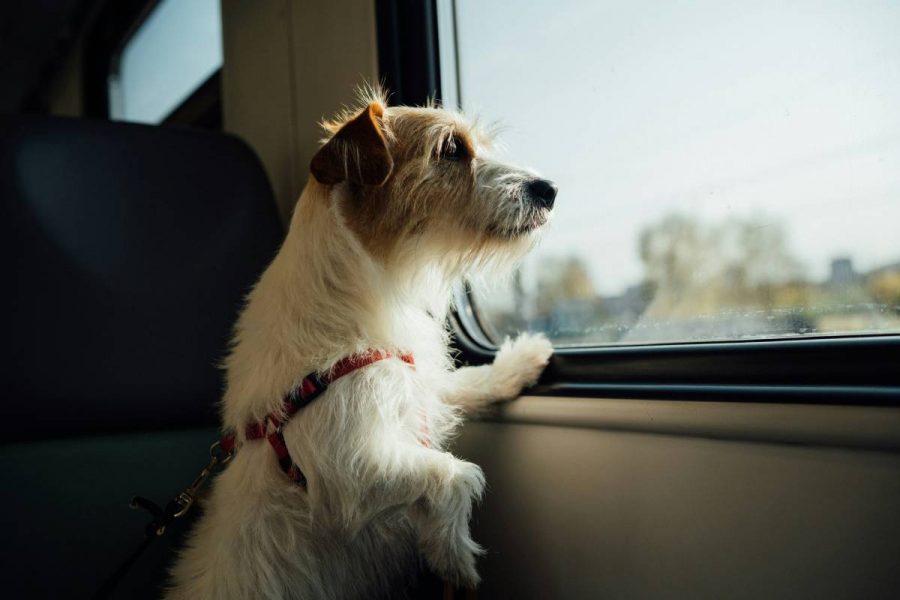
Their escape triggers include boredom (they need far more exercise and mental stimulation than their size suggests), their naturally high prey drive, and their remarkable ability to identify and exploit weaknesses in containment systems. They’re also skilled diggers and climbers, able to scale fences that seem far too high for such short legs.
Laurent shared his experience: “We found a gap under our garden gate that couldn’t have been more than 10 centimetres high. We never imagined our Jack Russell, Mimi, could possibly fit through it. One afternoon we heard scratching, looked outside, and watched her squeeze through like she was made of liquid. She was in the neighbour’s garden playing with their chickens before we could even get outside.”
The specific risks with Jack Russells centre on their small size working against them once they’ve escaped. They’re harder to spot from a distance, vulnerable to attacks from larger dogs, and at higher risk from traffic because drivers don’t see them as easily. Their high prey drive can also lead them to chase cats or other small animals, sometimes into dangerous situations.
Management strategies include providing extensive daily exercise (at least an hour of vigorous activity), offering puzzle toys and training challenges to occupy their clever minds, checking your property at Jack Russell height (get down on your hands and knees and look for gaps they might exploit), and accepting that they need jobs to do, whether that’s training, agility, or scent work.
GPS tracking is a must for Jack Russells precisely because their small size means they can disappear from view quickly and travel through areas larger dogs can’t access. They might be in your neighbour’s garden, in the storm drain, or have found a route through the local park you didn’t know existed. Real-time tracking takes the guesswork out of the search.
4. Labrador Retriever: the friendly wanderer
This might surprise you. Labradors are known for their loyalty, trainability, and gentle nature—so why are they on this list? According to the Blue Cross survey, Labs topped the rankings for breeds most likely to run away. The reason comes down to their social, curious, and food-motivated personalities.
Labradors are the friendly extroverts of the dog world. They assume everyone wants to be their friend and every experience will be positive. This lovely temperament becomes a liability when it means they’ll happily follow a stranger who smells like sausages, chase after another dog they want to play with, or investigate that interesting smell coming from the restaurant bins three streets over.
Their escape triggers include social curiosity (they see another dog and want to meet them), food motivation (Labs can smell food from impressive distances), and their friendly disposition that means they have no concept of “stranger danger.” They’re also clever enough to work out how gates open and patient enough to wait for the right moment.
Labs are the most popular breed across much of Europe, which unfortunately makes them targets for theft. A friendly Lab who approaches anyone won’t think twice about getting into a stranger’s car or following someone who offers treats. This combination of popularity, value, and trusting nature makes them particularly vulnerable.
Management strategies include training strong socialisation boundaries (teaching them that not every person or dog is available for interaction), working on impulse control exercises, ensuring gates have Lab-proof latches), and never leaving them unsupervised in unfenced areas.
GPS tracking for Labradors serves a dual purpose. First, it helps you locate them quickly when they wander off following their nose or chasing after a new friend. Second, it provides crucial theft prevention. If someone takes your Lab, real-time tracking gives you their exact location, which you can share with police immediately.
5. German Shepherd: the intelligent guardian
German Shepherds are renowned for their intelligence, trainability, and loyalty, which makes many people assume they’d never run away. However, their working dog heritage, high intelligence, and protective instincts can all contribute to escape behaviour when their needs aren’t met or when they perceive a reason to leave.
These dogs were bred to work all day, every day, covering large territories while herding livestock. They have enormous energy reserves and need both physical exercise and mental challenges. A bored or under-stimulated German Shepherd becomes restless and may seek stimulation beyond your property boundaries.
Their escape triggers include protection drive (they may leave to investigate perceived threats to their territory), barrier frustration (seeing people or animals passing by can trigger a desire to investigate or patrol), and their remarkable intelligence, which allows them to solve complex problems like learning to open gate latches.
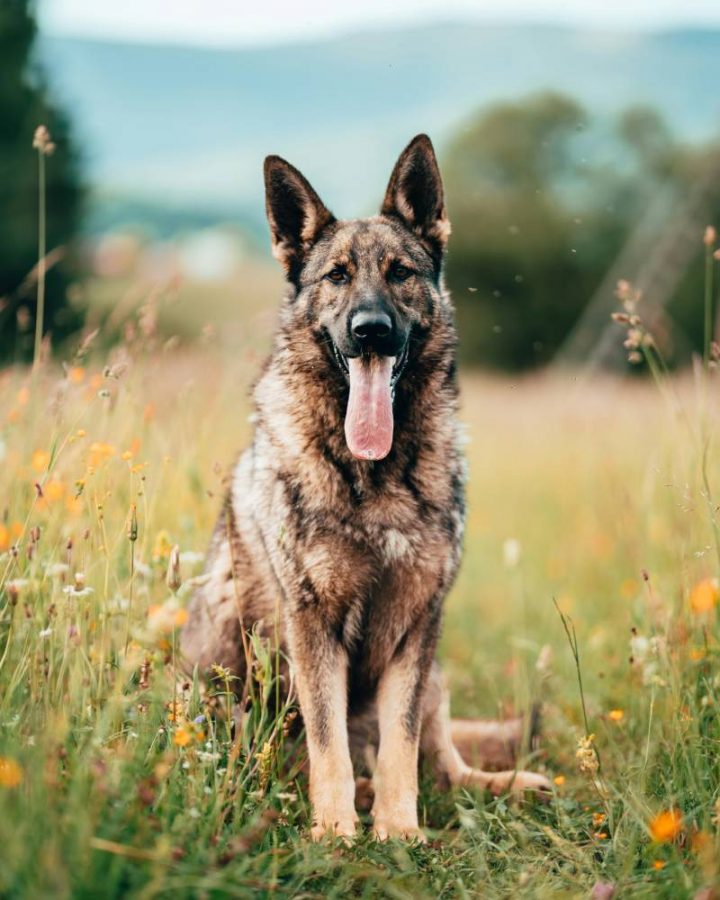
Sophia shared her experience: “We have a lever-style handle on our garden gate. One day I watched from the kitchen as Max stood on his hind legs, carefully pressed down on the handle with his paw, and pushed the gate open. He’d obviously been watching us open it for months and worked out exactly how it functioned. He wasn’t running away—he was going on patrol of the neighbourhood. But still, he was loose in an area with traffic.”
The specific risks with German Shepherds centre on public perception and liability. When a large, powerful dog like a German Shepherd is loose, people often feel frightened even if the dog is friendly. This can lead to confrontations, calls to authorities, and potential legal consequences for the owner. Their protective behaviour can also escalate situations with other dogs or strangers if not managed carefully.
Management strategies include providing them with jobs (training, sports, nose work, anything that engages their mind and working ability), offering extensive daily exercise and mental challenges, installing German Shepherd-proof latches that require thumb operation or key access, and ensuring they have a clear understanding of property boundaries through consistent training.
GPS tracking for German Shepherds provides peace of mind and liability protection. If your Shepherd does escape, you need to locate them quickly before they encounter situations that could be dangerous for them or others. Real-time tracking also helps you establish patterns if they’re escaping regularly, allowing you to identify and fix problem areas.
Universal solutions for escape artists
If you own one of these breeds (or another breed of dog that you’ve discovered has a tendency to escape), accept this reality: training alone will never be enough. Their instincts are simply too strong. You need a multi-layered approach combining physical barriers, behavioural management, and technological backup.
Physical barriers need to be breed-specific. For diggers like Jack Russells and Beagles, bury wire mesh or concrete along fence lines. For climbers like Huskies, ensure fences are at least two metres high with no horizontal bars they can use as footholds. Consider adding coyote rollers at the top of fences to prevent Huskies from pulling themselves over. Check your property from your dog’s perspective—literally get down to their level and look for gaps, weak points, or escape routes you might miss from human height.
Behavioural management means providing appropriate outlets for breed-specific needs. Huskies need to run—really run—so consider activities like canicross or bikejoring. Beagles need to use their noses, so invest time in scent work training. Jack Russells need jobs, so teach them complex tricks and games. Labs need social interaction and mental challenges. German Shepherds need work that engages their intelligence and protective instincts, like training for dog sports or nose work.
Training is important but understand its limitations. You can train an excellent recall, but a Beagle on a scent trail or a Husky who’s spotted prey may ignore even the most solid training. Work with a professional trainer who understands high-drive breeds and can help you build the best foundation possible, while accepting that instinct can override training in high-stimulation moments.
Technology provides your safety net when everything else fails. GPS tracking isn’t admitting defeat—it’s acknowledging reality. These breeds will eventually find a way out, no matter how careful you are. The question isn’t if they’ll escape, but when, and whether you’ll be able to find them quickly when they do.
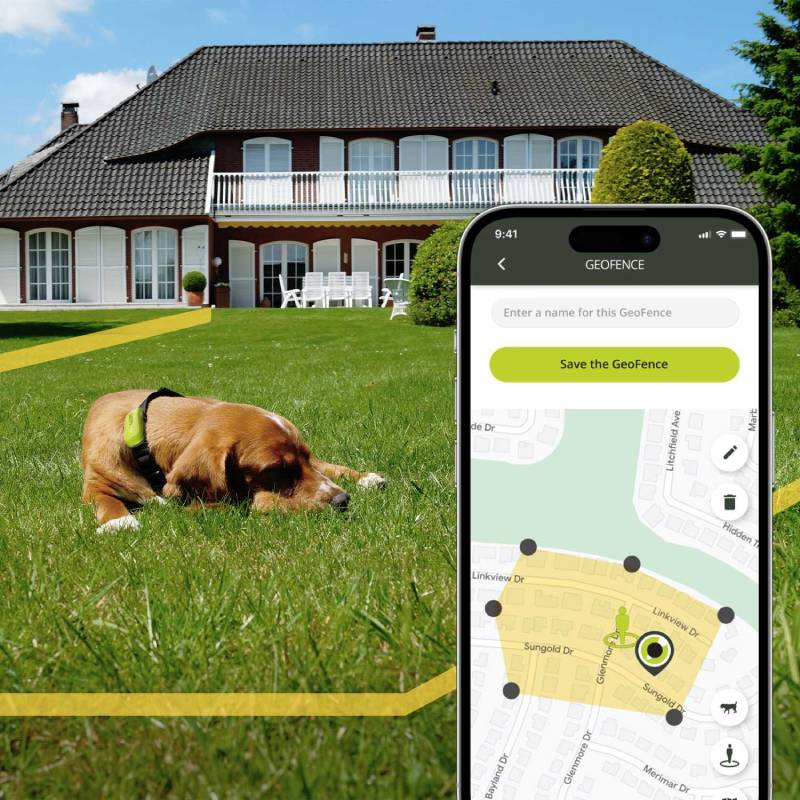
GPS Tracker Geofencing features allow you to set virtual boundaries around your property. When your dog crosses that boundary, you receive an alert on your phone. You’ll know they’ve escaped, giving you a critical head start on recovery. You can also set up activity monitoring to identify escape attempt patterns, helping you strengthen security in problem areas before a successful escape occurs.
Why GPS Tracking is non-negotiable for these breeds
The statistics on GPS tracking versus traditional methods tell a stark story. Dogs recovered with GPS tracking are typically found within 15 minutes to two hours. Dogs without GPS tracking take an average of several days to several weeks to recover—if they’re recovered at all. For fast-moving breeds like Huskies or scent-focused breeds like Beagles, every minute counts.
Speed matters with these breeds because they move fast and far. A Husky can be 10 kilometres from home within an hour. A Beagle following a scent trail won’t stay in one place. By the time you realize they’re missing, organize a search, and start looking in the area where they were last seen, they’re likely to be somewhere completely different.
Real-time tracking eliminates the guesswork from searches. Instead of posting on social media asking “Has anyone seen my dog?” and hoping for responses, you simply check your phone and go directly to their location. You can watch them move in real-time, anticipate where they’re heading, and intercept them before they get further from home or enter dangerous areas.
Isabella experienced this firsthand with her Beagle, Bruno. “He squeezed under our gate while we were having coffee in the garden. His GPS tracker sent an alert – I checked my phone and saw he was already two streets away, moving fast. I grabbed my car keys and drove to his location—he was following a scent trail through the neighbourhood. I pulled up ahead of him, called his name when he got close, and managed to get him into the car. Total time missing: twenty minutes. Without the tracker, I would never have found him that quickly.”
GPS Tracker features that matter for escape artist breeds include long battery life (searches can take time, and you need your tracker functioning throughout, so always keep them fully charged), high update frequency (you want location updates every few seconds when your dog is moving, not every few minutes), reliable geofencing with alerts, waterproof and durable construction (these active breeds get into everything), and comprehensive coverage across Europe (essential for holidays or if you live near borders).
Peace of mind is worth far more than the modest monthly GPS subscription plan cost. Knowing that if your escape artist does what escape artists do, you can locate them quickly rather than spending days searching, posting flyers, and lying awake worrying—that peace of mind is invaluable.
Give your escape artist the safety net they need
Your breed’s instincts are powerful, ancient, and deeply embedded in their DNA. No amount of training, no matter how dedicated you are, can completely override genetics that have been refined over hundreds or thousands of years. A Husky was bred to run. A Beagle was bred to follow scent. A Jack Russell was bred to pursue prey relentlessly. These aren’t flaws—they’re features.
Prevention and preparation together equal responsible dog ownership. Install the best physical barriers you can afford. Provide appropriate outlets for breed-specific needs. Train as well as you possibly can. And then, accept reality and back it all up with technology that gives you a fighting chance when the inevitable escape occurs.
Owners who successfully manage escape artist breeds aren’t the ones who’ve magically trained their dogs never to want to escape. They’re the ones who’ve accepted their dog’s nature, implemented multiple layers of prevention, and prepared for the reality that escapes will happen.
Ready to protect your escape artist? Kippy GPS trackers are specifically designed for active, adventurous dogs like yours. With comprehensive coverage across the EU, real-time tracking updated every few seconds, geofencing features with escape alerts, and rugged, waterproof construction that keeps up with even the most determined escape artist, Kippy gives you the peace of mind every owner of these breeds deserves.
Starting from just €4 per month, you’ll have 24/7 protection and the ability to locate your dog within minutes of any escape. Because you love your breed’s spirited nature—now make sure you can keep them safe while they express it.
Visit kippy.eu today to explore our GPS trackers and choose the perfect solution for your adventurous companion.
About Kippy: We are Europe’s trusted partner in pet safety, providing advanced GPS tracking technology to thousands of families across the EU. Our trackers are designed for real-world conditions and real dogs, including those who have a complete disregard for fences! With Kippy, you’re never more than a few taps away from knowing exactly where your dog is, no matter where their adventures take them.