
Most dog owners never think about the cost of a lost pet—until it happens to them. Sarah Thompson from Manchester learned this the hard way when her Golden Retriever, Max, slipped through an open garden gate last summer. What followed was an exhausting two-week search involving hundreds of posters, social media advertising, time off work, and eventually hiring a professional pet detective. By the time Max was found safe and well, Sarah had spent over £2,400—not to mention the huge emotional toll on her entire family.
The reality is that losing a dog comes with both hidden financial costs and immeasurable emotional stress. But here’s what many pet owners don’t realize: prevention costs a fraction of what you’ll spend trying to find a lost dog. Let’s break down the real costs and explore how modern technology can give you peace of mind for less than a daily cup of coffee.

The hidden financial costs
When a dog goes missing, the expenses add up quickly. Here’s what most owners find themselves spending:
• Posters and flyers are often the first port of call. Professional printing for 100-200 high-quality, weatherproof posters typically runs between £30 and £150, depending on size and quality. Many owners end up ordering multiple batches as their search expands.
• Social media advertising has become an essential tool for spreading the word quickly. Boosting posts on Facebook to reach thousands of local users can cost anywhere from £80 to £400 or more, depending on how long you run the campaign and how wide an area you need to cover.
• Professional pet detective services are increasingly being used when standard search efforts fail. These specialised search teams can charge around £150 per day, plus travel expenses. For cases requiring multiple days or specialised tracking dogs, costs can easily reach £500 to £1,500 or more.
• Time off work is unavoidable when your dog goes missing. Most owners take at least two to three days off to conduct intensive searches, organise efforts, and follow up on sightings. Depending on your own daily rate, this could mean £150 to £800 in lost wages—more if you’re self-employed or don’t have paid leave available.
• Reward money is a double-edged sword. While many people would return a lost dog without expecting payment, offering a reward can motivate others to actively look. Typical rewards range from £100 to £500, though desperate owners have offered as much as £10,000 in extreme cases. Pet insurance policies typically cover up to £500 for rewards. Beware of fraudulent calls of people contacting you saying they have your dog and demanding cash – this is sadly a common occurance.
• Veterinary bills can mount if your dog is found injured. Whether from accidents, fights with other animals, or simply exposure to the elements, emergency vet treatment can range from £400 to £4,000 or more. Even a healthy dog may need a check-up after being missing for several days.
• In some countries, reclaim fees can apply if your dog is picked up by local authorities. These fees can start at around £235 and increase by £30 for each additional day your dog is in kennels. Some will charge extra for delivery back to you, adding another £90 to the bill.
When you add it all together, the total potential cost of a lost dog easily ranges from £1,500 to £10,000 or more—and that’s assuming your dog is found. The harsh reality is that without proper identification, the odds aren’t in your favour. Research from the ASPCA shows that only 2.2% of dogs without microchips are ever reunited with their owners. In contrast, 74% of microchipped dogs are successfully returned home.

The emotional toll
Beyond the financial burden, losing a dog creates an emotional crisis that affects the entire household. The stress and anxiety during the search can be overwhelming. You’ll find yourself jumping at every phone notification, losing sleep wondering if your dog is safe, cold, or hungry. Every hour that passes without news feels like an eternity.
For families with children, the impact is particularly acute. Children form deep bonds with their pets, and explaining that their beloved companion is missing—with no guarantee of return—can be devastating. Parents often struggle to maintain hope while preparing their children for the possibility that their dog may never come home.
The productivity impact extends beyond time off work. Even when you’re at your desk, your mind is elsewhere. You’re constantly checking your phone, refreshing social media posts, and worrying about the worst-case scenarios. Sleep deprivation from late-night searches and early-morning follow-ups compounds the stress.
Emma, whose Spaniel went missing for nine days, described the experience: “It was the worst week and a half of my life. I couldn’t eat, couldn’t sleep properly, and spent every waking moment either searching or thinking about searching. When we finally found Toby, the relief was indescribable—I never, ever want to go through that again.”
Prevention is more affordable than you think
The good news is that preventing your dog from going missing, or ensuring they’re quickly found if they do, costs far less than the recovery efforts we’ve just outlined.
Basic prevention measures include secure fencing and professional training. Installing or upgrading garden fencing might cost anything between £250 to £1,000, while obedience training typically runs £200 to £500. These are one-time investments that pay dividends in safety and peace of mind. A well-trained dog with a solid recall is far less likely to bolt when an opportunity arises. However, as we know, any dog will chase after a bird or squirrel, no matter how well trained.
Microchipping is offered by animal professionals for good reason. This simple procedure costs between £10 and £30 (averaging around £14.50) and provides permanent identification that can’t be removed. However, it’s crucial to understand that microchips are passive devices—they only work when someone finds your dog and takes them to be scanned at a vet or animal shelter. They won’t help you locate a dog that’s still missing.

This is where GPS tracking technology transforms the equation. For a monthly subscription of just £7 to £12—less than your weekly coffee shop visit—a GPS tracker gives you real-time location data whenever your dog wanders off. Compare this modest monthly cost to the thousands you could spend searching for a lost dog, and the value proposition becomes crystal clear.
Think of it this way: a year of GPS tracking costs around £84 to £144. That’s less than a single day with a professional pet detective, less than basic poster printing, and a tiny fraction of the total cost of a full-scale search operation. It’s not an expense—it’s very affordable insurance against heartbreak and financial strain.
Real-time tracking changes everything
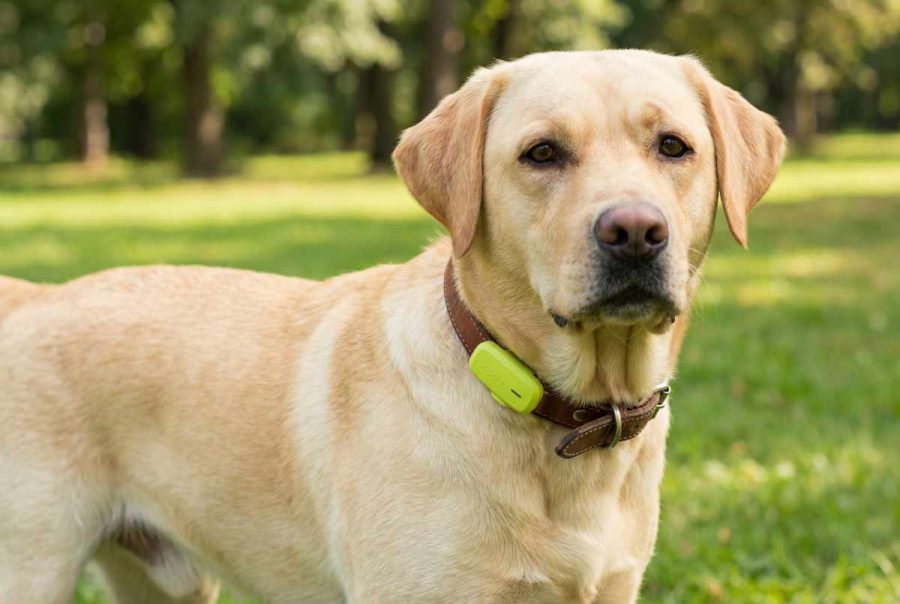
GPS trackers have revolutionised pet safety by giving owners something precious: the ability to locate their dog within minutes rather than days or weeks. Modern GPS devices attach securely to your dog’s collar or harness and provide live location tracking through a smartphone app. You can see exactly where your dog is at any moment, anywhere they roam.
The statistics speak for themselves. While dogs without any identification have only a 2.2% chance of being reunited with their owners, and even microchipped dogs can take days or weeks to be found and scanned, GPS-tracked dogs are typically recovered in under 2 hours. Many owners find their dogs within 15 to 30 minutes of realising they’re missing.
James, whose Beagle, Biscuit, squeezed through a gap in the fence while he was at work. His Kippy GPS tracker immediately sent an escape alert to his phone as he had set up a simple geofence area. Using the live tracking feature, James located Biscuit just 15 minutes later, happily exploring a nearby park. “Without the tracker, I wouldn’t have even known Biscuit was gone until I got home hours later,” James explains. “By then, he could have been miles away or worse. The tracker paid for itself many times over that day.”
Modern GPS trackers like Kippy offer several key features that make them invaluable. Live tracking shows your dog’s real-time location on a map, updated every few seconds when they’re moving. Geofencing allows you to create virtual boundaries around safe areas like your home or garden—if your dog crosses these boundaries, you receive an alert on your phone. Location history lets you see where your dog has been throughout the day, which can be useful for identifying escape routes or patterns. Then there’s the added benefit of activity monitoring to give step count, sleep patterns and more.
For pet owners, quality GPS trackers offer coverage across multiple countries, perfect for holidays abroad or if you live near a border. Kippy’s trackers work throughout the EU and the UK, so your dog is protected whether you’re at home, on a day trip or on holiday.
Protect your pet for less than the cost of a daily coffee
Let’s put this in perspective. The average cost of finding a lost dog ranges from £1,500 to £10,000 or more when you factor in posters, advertising, time off work, professional services, and potential vet bills. This doesn’t even account for the emotional trauma, sleepless nights, and possibility that your dog may never be found.
Now compare that to prevention. A one-time microchip costs £10-30. A GPS tracker subscription runs £7-12 per month—that’s roughly £84-144 per year. Over a dog’s lifetime, you’re looking at less than £2,000 in total prevention costs versus potentially £10,000 for a single incident of a missing pet.
This isn’t gambling with odds you hope never come up. The data shows that 1 in 3 pets will go missing in their lifetime. So many families face exactly the scenario we’ve described. The question isn’t whether dogs go missing—it’s whether yours will be one of the lucky ones who comes home quickly and safely.
Investment in prevention buys you more than just location data—it buys peace of mind. No more panic when you realise the garden gate was left open. No more holding your breath when your dog is off-lead in an unfamiliar area. No more lying awake worrying about “what if.”
Ready to protect your best friend? Kippy GPS trackers offer comprehensive coverage across the EU, with escape alerts, live tracking and activity monitoring features that give you confidence wherever life takes you. Starting from just £7 per month, you’ll have 24/7 peace of mind knowing you can see your dog’s location on your phone if they ever wander off.
Visit kippy.eu to explore our range of GPS trackers and find the perfect solution for your dog. Because the best time to protect your pet is before they go missing—not after.
About Kippy: We’re Europe’s trusted name in pet GPS tracking, helping thousands of families keep their dogs safe with reliable, easy-to-use technology. Our trackers work across the EU, providing comprehensive coverage whether you’re at home or traveling abroad.